We all know about the biggest protest songs from the 1960s from the likes of Bob Dylan, Joan Baez, Peter Seeger, and others. But what about the more unique songs from that era that still somehow remain relevant today? Let’s look at a few underrated gems, shall we?
“Alice’s Restaurant” by Arlo Guthrie from ‘Alice’s Restaurant’ (1967)
This talking blues song comes from singer-songwriter Arlo Guthrie, son of famed folk singer Woody Guthrie. He clearly inherited his father’s talent, and that talent can be heard in the unique protest song “Alice’s Restaurant”. This 1967 tune was written about the Vietnam War draft. Guthrie took a more comedic, deadpan approach to the song.
Videos by American Songwriter
So much music from this era was painfully serious. “Alice’s Restaurant” is certainly serious in its themes, but not so much in its delivery. Apparently, Guthrie was once arrested for illegally dumping trash in Massachusetts, which led to his ineligibility to be drafted. The draft may not be upon us presently, but there’s something about this shaggy dog story that still resonates with listeners today.
“Suppose They Gave A War And No One Comes” by The West Coast Pop Art Experimental Band from ‘Volume 2 (Breaking Through)’ (1967)
This unique rock-leaning protest song is based on a speech delivered by Franklin D. Roosevelt. Punk rockers out there might remember when T.S.O.L. covered it. But there’s something so strange, psychedelic, and poignant about The West Coast Pop Art Experimental Band’s version. I think it’s safe to say that many people presently know what it’s like to watch a war unfold that they don’t support or want any part of. And this song really captures that feeling perfectly.
“Volunteers” by Jefferson Airplane from ‘Volunteers’ (1969)
This hard rock entry on our list of 1960s protest songs comes from Jefferson Airplane. It was written by Marty Balin and Paul Kantner about the Vietnam War and the cultural divide occurring at the time. But according to Kantner, “Volunteers” isn’t really intended to be a political call to action. Rather, it’s a sort of “anti-protest song” about how revolutionaries at the time spent much of their lives in a state of paranoia, rather than enjoying their lives. In an age where we are bombarded with negative, stressful, nearly apocalyptic news on a daily basis, it’s healthy to remember that there’s something revolutionary in experiencing joy, pleasure, and rest.
(Photo by David Fenton/Getty Images)
More The List
-
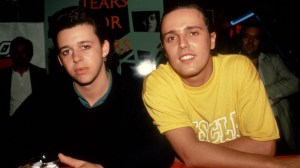
NEW YORK, NY – CIRCA 1985: Roland Orzabal and Curt Smith of Tears For Fears circa 1985 in New York City. (Photo by Robin Platzer/IMAGES/Getty Images) -
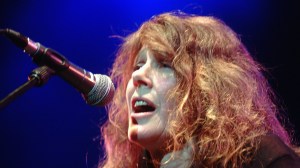
UNITED KINGDOM – APRIL 19: ROYAL FESTIVAL HALL Photo of Vashti BUNYAN (Photo by James Emmett/Redferns) -
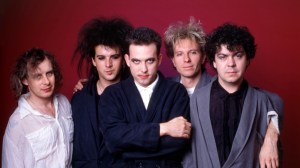
CLARKSTON – JULY 14: Guitarist Porl Thompson, bass player Simon Gallup, musician, songwriter and lead singer Robert Smith, drummer Boris Williams and keyboard player Laurence 'Lol' Tolhurst, all members of the English rock band The Cure, pose for a portrait backstage at the Pine Knob Music Theatre on July 14, 1986, in Clarkston, Michigan. (Photo by Ross Marino/Getty Images) -
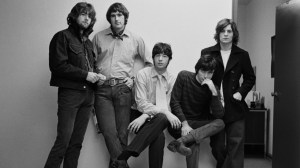
American rock band The Box Tops in New York City, 18th December 1968. From left to right they are keyboard player Rick Allen, drummer Thomas Boggs, bassist Bill Cunningham, guitarist Gary Talley and singer Alex Chilton. (Photo by Don Paulsen/Michael Ochs Archives/Getty Images) -
Photo by Michael Ochs Archives/Getty Images -
the Rolling Stones