Born to songwriter parents in Grand Forks, North Dakota, on this day (September 26) in 1947, Lynn René Anderson grew up to become arguably the most important female country singer of her time. Ruling both the pop and country airwaves with her signature 1970 smash “(I Never Promised You A) Rose Garden”, Anderson left a lasting mark on a country music landscape that wasn’t exactly welcoming toward women at the time.
As the first female country artist to perform on The Tonight Show — as well as both headline and sell out Madison Square Garden — she blazed a trail for future generations like Martina McBride and Reba McEntire. The latter praised Anderson for “always continuing to pave the road for those to follow.”
Videos by American Songwriter
On July 30, 2015, Lynn Anderson died of a heart attack at age 67 in a Nashville hospital. In honor of what would have been her 79th birthday, we’re taking a trip through her remarkable life and career.
How Lynn Anderson Got Her Start
Raised on a ranch in Sacramento, California, Lynn Anderson’s early life revolved around two things — country music and quarter horses; which her family raised and she rode professionally.
She also inherited her parents’ love for lyricism. In fact, mom Liz Anderson penned two hits for Merle Haggard — the 1964 Bonnie Owens duet “Just Between the Two of Us”, a hit for Merle Haggard and Bonnie Owens, and 1966’s “All My Friends are Gonna Be Strangers.”
The family relocated to Nashville after Chet Atkins signed Liz to a recording contract with RCA Victor. During a trip there with her mother ahead of the official move, Lynn joined an informal sing-along with several other artists at their hotel.
Producer Slim Williamson was also there, and the young singer impressed him so much that he offered her a recording contract of her own. She signed with Chart Records in 1966.
Making a Name for Herself
The following year, Lynn Anderson had her first top 40 hit with her mother’s composition “Ride, Ride, Ride”.
Liz Anderson also wrote her daughter’s follow-up single, “If I Kiss You (Will You Go Away),” which reached the top 5. These early successes generated enough buzz to land Lynn a weekly gig on The Lawrence Welk Show.
That same year, the Academy of Country Music named Anderson its Top Female Vocalist.
She Had to Fight For Her Biggest Hit
In 1970, Lynn Anderson switched to Columbia Records. That same year, she heard “Rose Garden” on a Joe South album and brought it to the attention of her then-husband, songwriter and producer Glenn Sutton.
She recorded the song over the objections of Sutton and his boss, Billy Sherrill, who protested that the lyrics were too male-centric. Still, “Rose Garden” was never destined to become a single — until Columbia Records president Clive Davis heard it.
“I flipped out; the crossover potential seemed obvious,” Davis wrote in his memoirs.
“Rose Garden” spent five weeks at number on the U.S. country songs chart, helping lift Anderson’s album of the same name to the top of the country albums chart.
While never quite matching the song’s crossover appeal, Anderson racked up 14 more Top Ten hits on the country charts through 1974, including the chart-toppers “How Can I Unlove You,” “You’re My Man,” “Keep Me in Mind,” and “What a Man, My Man Is.”
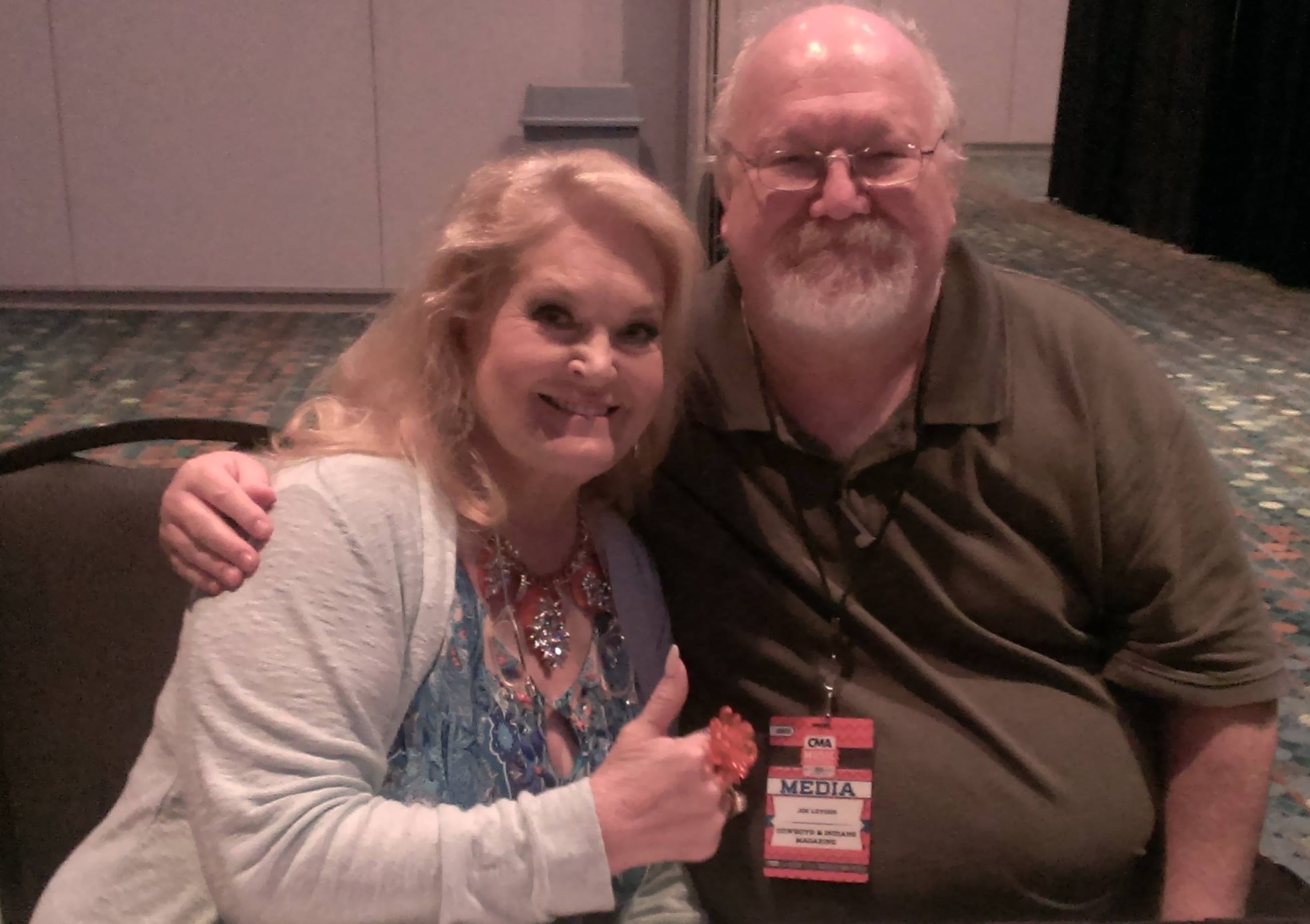
Speaking to Cowboys & Indians magazine at the 2015 CMAFest, Anderson said she never considered her gender as a barrier to her success in country music.
[RELATED: Remember When Lynn Anderson’s Mother Wrote What Became Her First Big Hit in 1967?]
“I think I was one of the first women to have her own band. Which didn’t sit well with the sort of established mindset,” she said. “But, hey, I didn’t know any better. I’d been raised in California without those limitations ingrained in me. So I just bounced along and did my own little thing.”
Featured image by Frazer Harrison/Getty Images
-
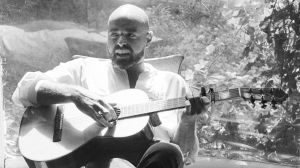
UNITED STATES – CIRCA 1968: Photo of Shel Silverstein (Photo by Alice Ochs/Michael Ochs Archives/Getty Images) -
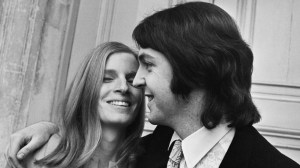
Linda McCartney and her husband, Paul McCartney, on their wedding day. -
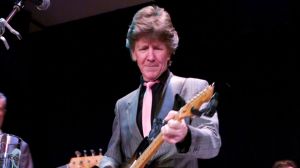
AMERSHAM, ENGLAND – Singer and actor Mike Berry performs at Craig Douglas Benefit Concert on December 11, 2010 in Amersham, England. (Photo by Nat Jag/WireImage) -
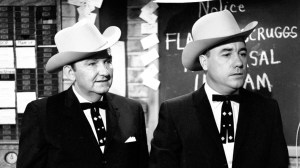
Flatt & Scruggs on 'The Beverly HIllbillies' -
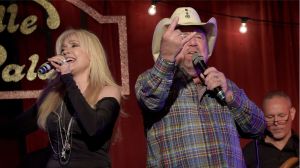
NASHVILLE, TN – MARCH 18: Singers/Songwriters Lane Brody and Johnny Lee perform during the All-Star Whitey Shafer Benefit, Hosted By Moe Bandy at The Nashville Palace on March 18, 2015 in Nashville, Tennessee. (Photo by Rick Diamond/Getty Images for Webster PR)