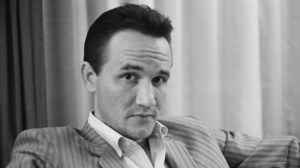
On this day in 1941, the King of Soul was born in Dawson, Georgia. At just 26, Otis Redding left behind a massive legacy that outlived him, including the first posthumous No. 1 song in the U.S. On his birthday, revisit Redding’s career and his untimely death.
Otis Redding’s Rise to Fame
Redding grew up in Macon, Georgia, earning one of his many nicknames, The Mad Man from Macon. This soul singer faced hard knocks early in life, dropping out of school at 15 to help support his family. Luckily, he got to do what he did best: performing.
Videos by American Songwriter
He joined Little Richard’s backing band, The Upsetters, as a teenager. He also played local talent shows and other musical ventures before earning his break in 1958 on disc jockey Hamp Swain’s “The Teenage Party”. This was a talent competition that Redding ultimately won 15 weeks in a row.
This success urged him to move to Los Angeles and pursue music even more seriously. One of his biggest ventures was joining Pat T. Cake and the Mighty Panthers, touring the southern U.S. despite the racial segregation of the time.
This effort eventually got him in the door with Stax Records in Memphis. One performance of “These Arms Of Mine” was enough to sign him to that institution. This song set the stage for an enduring career with the label, where he released hits like “Respect” and “Try A Little Tenderness”.
“(Sittin’ On) The Dock Of The Bay”
Redding earned several hits throughout his career, but none came to define his tragic end better than “(Sittin’ On) The Dock Of The Bay”. The Beatles’ Sgt. Pepper’s Lonely Hearts Club Band inspired this hit. The song was a sonic departure for the soul icon and wasn’t an easy sell with his label.
Redding was setting the stage for a genre hop before he passed, playing the Monterey Pop Festival in 1967. His success at this festival proved he was ready to take on another market, which “Dock Of The Bay” capitalized on.
[RELATED: Most People Forget That Otis Redding Covered This Big Hit by The Rolling Stones in 1965]
Unfortunately, Redding was never able to follow through on that goal, as he died in a plane crash before he could release this hit on December 10, 1967. Just three days after it was recorded and left unfinished, he and several others went down in Lake Monona, near Madison, Wisconsin.
His record label released the song in its current state after the tragic news broke, to honor Redding and fulfill his artistic wishes. This song went on to define Redding and punctuate his loss. It also became the first posthumous No. 1 song. Revisit this track above.
(Photo by Sulfiati Magnuson/Getty Images)
-

MELBOURNE, AUSTRALIA – Keith Urban performs during "The Songs Of John Farnham, The Celebration Concert" at Rod Laver Arena on September 20, 2026 in Melbourne, Australia. (Photo by Graham Denholm/Getty Images) -

Australian-American singer, songwriter, author, actress, and activist Helen Reddy (1941 – 2020), 1975. (Photo by Tony Russell/Redferns) -
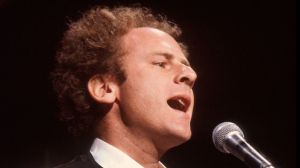
Art Garfunkel performs on TV show, USA, 1975. (Photo by Michael Putland/Getty Images) -

EUGENE, OR – (EDITORS NOTE: Multiple exposure made in camera) Phil Lesh of the Grateful Dead performs at Autzen Stadium on June 23, 1990 in Eugene, Oregon. (Photo by Tim Mosenfelder/Getty Images) -
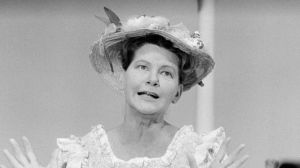
American country comedienne Minnie Pearl (1912 – 1996) performing, circa 1970. (Photo by Silver Screen Collection/Getty Images) -

British musicians Mick Jagger (left) and Bill Wyman of the Rolling Stones performs on stage during the band's 'Steel Wheels' tour, late 1989. (Photo by Paul Natkin/Getty Images) -
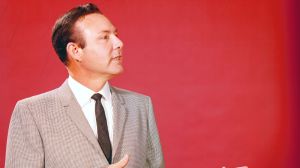
UNSPECIFIED – CIRCA 1970: Photo of Jim Reeves Photo by Michael Ochs Archives/Getty Images