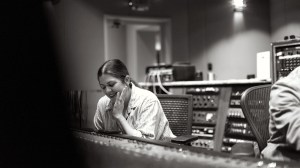
Self-doubt in the studio is a burden that even industry veteran Lucinda Williams has wrestled with over the course of her 15-album (and counting) discography, but a Native American tradition helped ease some of the weight of the ever-pressing question, “Is this good enough?” And we’d guess it might help you out, too.
From the way she describes herself in interviews to the things she’s written about in her memoirs to the subject matter of her music, the Americana icon makes it clear that she thinks—or, more accurately, worries—about a lot. She’ll nitpick, fret, and question herself.
Videos by American Songwriter
That is, until an engineer shifted Williams’ perspective with the help of an Indigenous tradition that dates back centuries.
How a Native American Tradition Soothed Her Self-Doubt
Recording in the studio is a rewarding process, but it’s also incredibly arduous, taxing, and revealing. Whatever creative pitfalls or technical shortcomings an artist may feel they have will come out in the studio, either through tracking, mixing, or a frustrating blend of the two. On the one hand, this type of self-doubt and perfectionism can create better art. But on the other hand, too many of these worries can become stifling and detrimental to the overall workflow. And indeed, this is true of an artist’s first album or 31st.
Lucinda Williams was working on her fourth album, Sweet Old World, which she released in August 1992. In a 2025 interview with The Guardian, Williams recalled a particularly difficult time in the studio. “I was working with an engineer, Dusty Wakeman, [and] I was complaining about an itty-bitty tiny mistake that I’d made, and he told me about how Native American Indians, when they’d weave a blanket, they would leave a mistake in the weaving on purpose.”
The Native American legend, which has also been attributed to the Amish and Persian communities, states that a quilter will purposefully leave a mistake in their work because, per these beliefs, “only God is perfect.” In Navajo tradition, leaving a purposeful mistake was a way to honor the Spider Woman, the Navajo deity who first wove the web of the universe and, in turn, taught the Navajo how to weave.
What Helped Lucinda Williams Can Help You, Too
Sometimes, telling an artist what they want or need to hear in the studio can be the difference between a productive work day and one that ends in frustration, incompletion, or scrapping the project altogether. Engineer Dusty Wakeman could have easily let Lucinda Williams nitpick over a minor error that, in hindsight, would have likely been overlooked by the casual listener. Instead, he acknowledged the mistake to Williams. Then, more importantly, he found a way to reframe it so that it didn’t seem like such a massive, glaring failure.
Wakeman’s story about the Navajo tradition of adding a mistake on purpose obviously helped Williams, who was able to continue working on the album that critics would regard as one of her best. But we’d argue that it might help you, too, no matter where you are in your artistic career (and no matter your religious affiliation). Humans are inherently imperfect. In a world increasingly dominated by AI-generated music that is rubbery smooth and uncannily mistake-free, maybe leaving in mistakes on purpose isn’t just a way to honor omniscient deities. It’s a way to honor our humanity.
We challenge you to leave a mistake in your art. Rather than striving for perfection, strive for something real. Authentic. Human, even. Your music might not sound like the polished product of a computing machine, but then again, isn’t that the whole point?
Photo by Astrida Valigorsky/WireImage
More Features
-
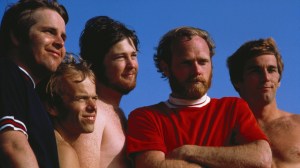
July 1967, California Beach Boys L-R: Wilson, Al Jardine, Brian Wilson, Mike Love, Dennis Wilson -
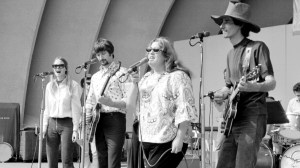
The Mamas And The Papas At The Hollywood Bowl The folk group "The Mamas And The Papas" including John Phillips, Mama Cass, Michelle Phillips, and Denny Doherty pose for portraits and rehearse for their performance on April 2, 1966 in Los Angeles. (Photo by Michael Ochs Archives/Getty Images) -
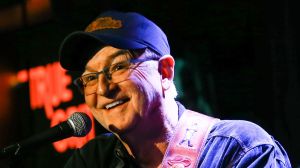
NASHVILLE, TENNESSEE – APRIL 22: Musician Carl Jackson performs during a special tribute concert in honor of Glen Campbell’s birthday at Glen Campbell Museum and Rhinestone Stage on April 22, 2021 in Nashville, Tennessee. (Photo by Terry Wyatt/Getty Images) -
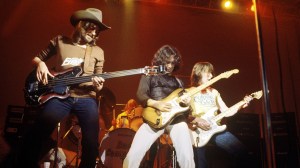
UNITED STATES – JANUARY 01: USA Photo of Paul RODGERS and BAD COMPANY and Boz BURRELL and Mick RALPHS, Boz Burrell, Simon Kirke (back), Paul Rodgers, Mick Ralphs (Photo by Fin Costello/Redferns) -
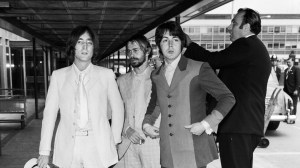
John Lennon, Beatles associate Alexis Mardas (aka Magic Alex), Paul McCartney, and John's driver Les Anthony at London Airport, 11 May 1968. John and Paul were bound for New York to launch the Beatles company Apple. (Photo by Mirrorpix via Getty Images) -

George Strait recorded one of the best dad country songs