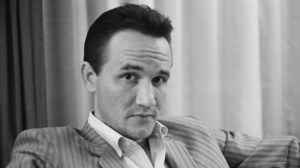
On this day (July 16) in 1930, Jimmie Rodgers recorded “Blue Yodel #9 (Standing on the Corner).” The recording features influential jazz musician Louis Armstrong on trumpet. However, he was not credited on the record due to contractual issues. The same is true for his wife, Lil Hardin Armstrong, who played piano on the song. Roughly 40 years later, Armstrong performed the song with Johnny Cash on his television show.
By 1930, Rodgers was one of the biggest stars in the budding genre that would later be marketed as country music. His initial Bristol Sessions recordings of “The Soldier’s Sweetheart” and “Sleep, Baby, Sleep” sold well. Then, “Blue Yodel #1 (T for Texas)” sold a million copies. This early success earned him the moniker “The Father of Country Music.”
Videos by American Songwriter
At the same time, Armstrong had already established himself as one of the most exhilarating jazz trumpeters in the world. His improvised solos helped reshape the genre and heavily influenced generations of musicians. By 1930, he had already fronted Hot Five, one of the most famous jazz bands in the United States.
The pairing of Armstrong and Rodgers is a look at a pair of legends from different backgrounds finding common ground in the studio. Printing both men’s names on the record likely would have boosted sales of “Blue Yodel #9 (Standing on the Corner).” However, that wasn’t possible. Rodgers was recording for RCA Victor, and Armstrong was under contract with Okeh Records. Their contractual obligations meant that they couldn’t share the bill.
Louis Armstrong and Johnny Cash Pay Tribute to Jimmie Rodgers
In 1970, Louis Armstrong appeared on The Johnny Cash Show. During the episode, he and Cash talked briefly about his session with Jimmie Rodgers and performed the song they’d recorded together.
During their conversation, Armstrong revealed that the recording session wasn’t about selling records. They just wanted to make music together. “I’d been knowing Jimmie for a long time,” Armstrong recalled. “We met one morning, and Jimmie said, ‘Man, I feel like singing some blues.’ I said, ‘Okay, daddy. You sing some blues, and I’m gonna blow behind you.’ That’s the way the record started,” he explained.
Featured Image by Michael Ochs Archives/Getty Images
-
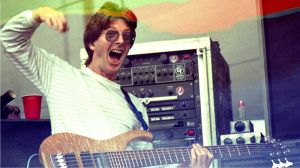
EUGENE, OR – (EDITORS NOTE: Multiple exposure made in camera) Phil Lesh of the Grateful Dead performs at Autzen Stadium on June 23, 1990 in Eugene, Oregon. (Photo by Tim Mosenfelder/Getty Images) -
American country comedienne Minnie Pearl (1912 – 1996) performing, circa 1970. (Photo by Silver Screen Collection/Getty Images) -
British musicians Mick Jagger (left) and Bill Wyman of the Rolling Stones performs on stage during the band's 'Steel Wheels' tour, late 1989. (Photo by Paul Natkin/Getty Images) -
UNSPECIFIED – CIRCA 1970: Photo of Jim Reeves Photo by Michael Ochs Archives/Getty Images -

NASHVILLE, TN – Singer/Songwriter Whitey Shafer performs during the All-Star Whitey Shafer Benefit, Hosted By Moe Bandy at The Nashville Palace on March 18, 2015 in Nashville, Tennessee. (Photo by Rick Diamond/Getty Images for Webster PR)