
Eight songs into a 2005 performance at the University of Virginia’s Scott Stadium, Rolling Stones’ frontman Mick Jagger announced the band would be taking a 10-minute break. That short break would turn into a 45-minute sweep of the venue as police and canine units searched for a bomb.
That night around 9 p.m., 911 operators received a threat of an explosive device believed to be targeting the stage area. The school’s stadium saw nearly 50,000 fans in attendance the Thursday night. According to The Associated Press, law enforcement cleared the first 20 rows of the audience while bomb-detecting dogs sniffed out the stage.
Videos by American Songwriter
The local newspaper, Richmond-Times Dispatch, reported after the incident, describing concertgoers’ reactions as “a mix of nervous curiosity and patience,” taking the break to visit concessions and merch booths.
Nothing unusual turned up in the sweep of the area and the house lights dimmed at 10:40 p.m. when the all-clear came through. Jagger calmly “strutted to the front of the stage and mumbled something that sounded like ‘Thanks for your patience’ before the band kicked into a blistering ‘Miss You,’” the Dispatch reported.
The band reportedly ignored the 11 p.m. ordinance, playing well past midnight to finish their show.
The Rolling Stones were in the midst of a lengthy leg of stadium tours in support of their latest release, A Bigger Bang. Get a glimpse of what the UVA show consisted of in the Bigger Bang tour trailer, below.
Photo: Kevin Mazur / Gettyimages.com
More Latest Music News & Stories
-

NBC SUNDAY NIGHT FOOTBALL — Season: 2013 — Pictured: Carrie Underwood performs — (Photo by: Paul Drinkwater/NBCU Photo Bank/NBCUniversal via Getty Images via Getty Images) -

CHICAGO, ILLINOIS – JULY 10: Lainey Wilson performs during the Windy City Smokeout on July 10, 2026 in Chicago, Illinois. (Photo by Barry Brecheisen/Getty Images) -
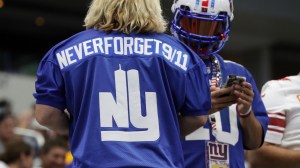
NEW YORK, NEW YORK – SEPTEMBER 11: Firefighters salute in front of a memorial at FDNY Ten House during a ceremony commemorating the 25th anniversary of the September 11th terrorist attacks on the World Trade Center on September 11, 2026 in New York City. The United States is marking the 25th anniversary of the terrorist attacks of September 11, 2001, when a group of al-Qaeda hijackers flew airplanes into the World Trade Center, Shanksville, Pennsylvania, and the Pentagon, killing nearly 3,000 people. (Photo by Michael M. Santiago/Getty Images) -
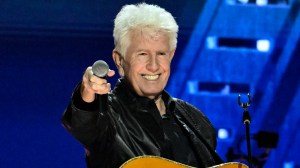
INGLEWOOD, CALIFORNIA – JANUARY 30: Graham Nash performs onstage during the FIREAID Benefit Concert for California Fire Relief at The Kia Forum on January 30, 2025 in Inglewood, California. (Photo by Scott Dudelson/Getty Images for FIREAID) -

NASHVILLE, TENNESSEE – JUNE 07: (EDITORS NOTE: Image has been converted to black and white.) (L-R) Luke Bryan and Riley Green attend day four of CMA Fest 2026 at Nissan Stadium on June 07, 2026 in Nashville, Tennessee. (Photo by Robby Klein/Getty Images for CMA) -

Photo by Jason Kempin/Getty Images -
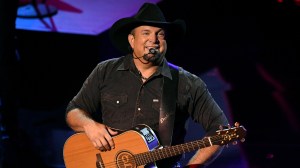
HOLLYWOOD, CALIFORNIA – OCTOBER 14: In this image released on October 14, Garth Brooks performs onstage at the 2020 Billboard Music Awards, broadcast on October 14, 2020 at the Dolby Theatre in Los Angeles, CA. (Photo by Kevin Mazur/BBMA2020/Getty Images for dcp) -

Photo by Jason Kempin/Getty Images