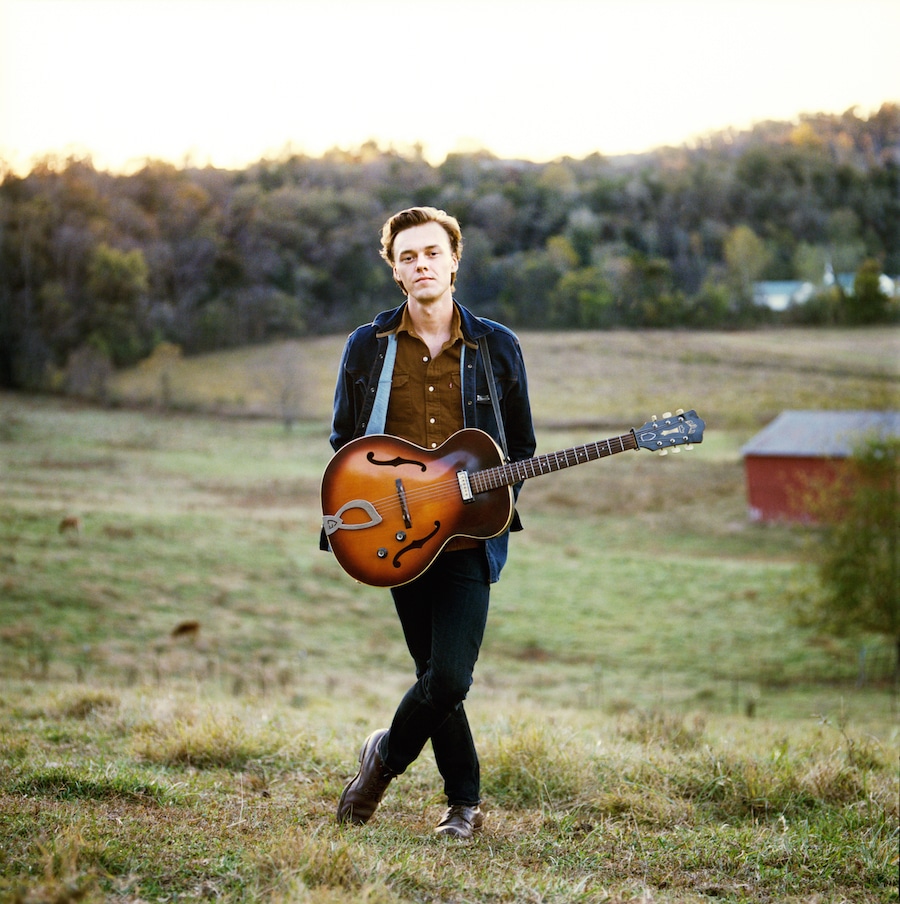
Parker Millsap spent his 21st birthday in Nashville, watching Shovels & Rope play a sold-out set at the Cannery Ballroom. On paper, the evening looked a lot like a normal birthday, filled with music, the company of friends and the first legal sips of alcohol. Millsap wasn’t just a fan of the band playing the Cannery that night, though. He was a friend. A future tour mate, even. And days after that show ended, he hit the road himself, performing his own variation of the Great Americana Songbook — a variation influenced by everything from the Bible-beating fervor of Pentecostal church services to the dark drama of Bruce Springsteen — for a string of audiences that were a bit smaller, perhaps, but no less engaged.
Life can be slow in middle Oklahoma, but Millsap, who was raised in the railroad town of Purcell, grew up fast. He began landing gigs at 14 years old, playing electrified blues-rock at back-to-school bashes and neighborhood pizza joints. A year later, he bought a copy of Ryan Adams’ Heartbreaker, whose rootsy stomp convinced the high schooler to ditch the guitars amps and start strumming an acoustic instead. He began writing songs, too. There wasn’t much of a music scene in Purcell, so the teens who did play — including upright bass player Mike Rose, who first reached out to Millsap via MySpace — became fast friends. For years, Millsap and Rose performed regionally as a duo, eventually upgrading to a three-piece when fiddle player Dan Foulks talked his way onstage during a gig in the nearby college town of Norman.
“Me and Mike were doing this weekly show every Tuesday at a place called the Deli,” remembers Millsap. “It was simple; just acoustic guitar and upright bass. One day, Dan walked in and he had his fiddle. There were maybe three other people there, so when he asked if he could play a song with us, I said ‘Yeah, why not? You look like you know what you’re doing.’ And he’s been with us ever since.”
By the time he graduated high school, Millsap had already released a pair of albums. Choosing the musicians’ life over college, he logged a few months’ time in Northern California — where he interned at Prairie Sun Recording Studio, the birthplace of Tom Waits’ Mule Variations — before coming back to Oklahoma with a renewed drive to make music with his two bandmates. One year later, during a trip to the Folk Alliance conference in Toronto, he met Thirty Tigers president David Macias, whose company had since played a huge role in taking Millsap and company from the pizza parlors of middle Oklahoma to stages across the country.
Released this spring, The Very Last Day is Millsap’s second album in partnership with Thirty Tigers. He’s 23 years old now, and while his boyish smile still points to a songwriter who’s far younger than many of his peers, his voice — a mix of gospel fury, rockabilly quiver and bluesy fire, like some mid-century Sun Records artist confessing his sins in church — rustles up the spark and spirit of an earlier era. Much has been made of that voice, and for good reason. The Very Last Day’s biggest strength, though, is Millsap’s writing, which makes room for everything from Greek mythology (“Hades Pleads,” which opens the album with slide guitar and panting percussion) to apocalyptic debates (“The Very Last Day,” whose slow-and-steady strut finds Millsap arguing that human warfare, not godly wrath, will bring about the Rapture). There’s even a cover of Fred McDowell’s “You Gotta Move,” a Mississippi blues song most famously covered by the Rolling Stones on 1971’s Sticky Fingers. Millsap takes his own cover up an entire octave, a move that’s more Merry Clayton than Mick Jagger.
The record’s highlight, though, is “Heaven Sent,” where Millsap reimagines himself as a young, gay man who wrestles with the disapproval of his God-fearing Dad. “Did you love me when he was just a friend?” goes the song’s chorus, which packs the strongest punch of his career.
“I was raised in a Pentecostal church — the sort of place where they speak in tongues — so that sort of imagery is an easy place for me to go in my writing,” he explains. “In a small town, the church is where you find your community. It’s where you find your music. I still love those old hymns — the people who wrote them didn’t do it to make a buck, so it’s a very different and very real type of writing — and maybe that’s why I chose the church as a setting for stories like ‘Heaven Sent.’ It’s just a story, you know? It’s about the character, not the author, but it was still something that needed to be told.”
Millsap’s story, meanwhile, is still unfolding. This year, he’s playing some of his largest venues to date, armed with an expanded band that now includes a drummer. New characters are being introduced. New chapters are being written. And for Millsap, the ending is a long, long way away.
More Features
-
UNSPECIFIED – CIRCA 1970: Photo of Biff Rose Photo by Michael Ochs Archives/Getty Images -
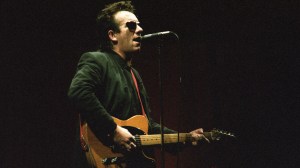
MINNEAPOLIS, MN – AUGUST 29: Elvis Costello performs at the Orpheum Theatre in Minneapolis, Minnesota on August 29, 1984. (Photo by Jim Steinfeldt/Michael Ochs Archives/Getty Images) -
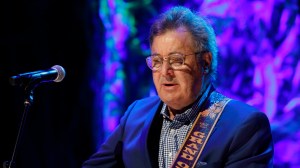
Photo by Jason Kempin/Getty Images for Country Music Hall of Fame and Museum -
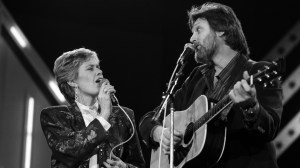
UNITED KINGDOM – JANUARY 01: WEMBLEY ARENA Photo of Johnny DUNCAN and Janie FRICKE, w/Johnny Duncan (Photo by David Redfern/Redferns) -
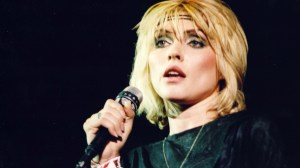
LONDON, UNITED KINGDOM – JANUARY 11: Debbie Harry of Blondie performs on stage at Hammersmith Odeon on January 11th, 1980 in London United Kingdom. (Photo by Pete Still/Redferns) -
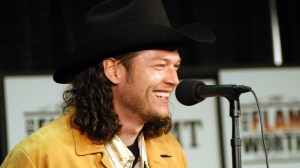
lake Shelton, presenter Video Director of the Year (Photo by Frank Mullen/WireImage)