
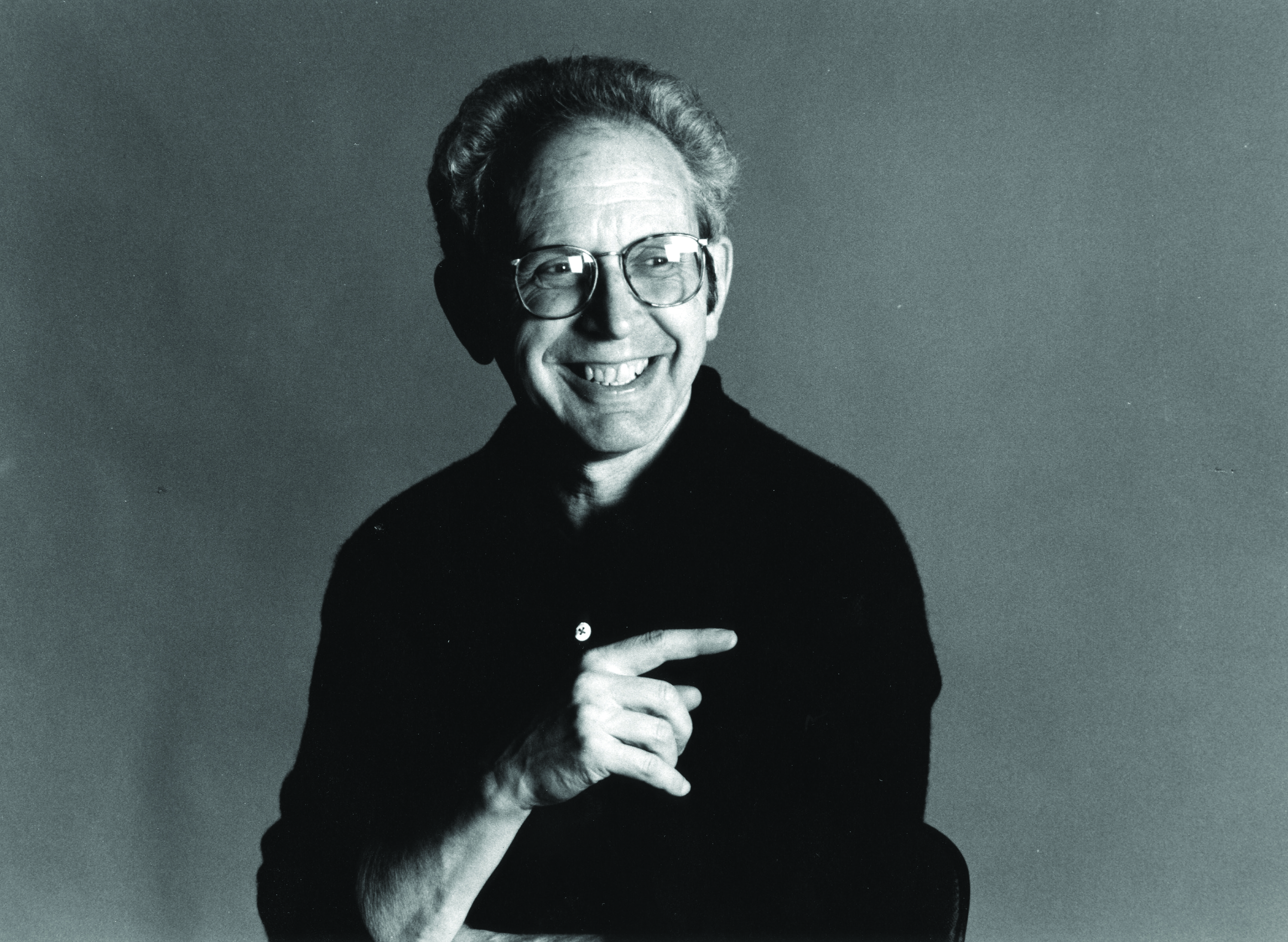
Early in Sam Phillips: The Man Who Invented Rock ‘n’ Roll, Peter Guralnick describes his eventful first meeting with his subject. The sprinkler system at Phillips’ radio station had malfunctioned and flooded the building, and the writer spent eight hours bailing out water and mopping up.
“I watched him command this army of family members and employees, and in his quiet way he inspired them to keep going and do their best,” Guralnick tells American Songwriter. “It was the one opportunity I had to watch him produce a session, and it wasn’t even music.”
Guralnick interviewed Phillips many times before his death in 2002, and those conversations form the foundation for this thorough and relentlessly compelling biography of the man who founded Sun Records, recorded Elvis and Jerry Lee, and revolutionized popular music.
You’ve written biographies of Elvis Presley and Sam Cooke, neither of whom you actually met or interviewed. What was it like writing about someone you knew and worked with for 25 years?
I don’t know about “worked with.” The first time I met him, I carried buckets of water and squeegeed the floor. That’s how I worked with him. In all the writing I’ve done I’ve always tried to write from the inside out. I’m not interested in the external story — what drugs the artist was doing or what awards they won. I’m interested in who the person is. I want to describe his aspirations and ambitions and disappointments. The biographies have given me a much broader landscape to do that. It’s like writing a novel on the grandest plane with the greatest characters.
There’s definitely a mythology that has grown up around Sam Phillips, especially in the years since his death.
The Sam Phillips I knew contradicted that public persona. The person you see now is very different from the person I met in 1979. I talked to him at great length, and I was able to observe him at close range. I wanted to present a character study that broadened the sense of Sam’s uniqueness as a person, which is what his achievements derived from. Once he stopped recording music, that person didn’t go away. He was just as interesting and as unpredictable and as unorthodox as he ever was.
He comes across as someone who seems to know himself very well yet is still trying to figure himself out.
He told me he saw himself really as a teacher, which was something that was never quite imagined until I met him that first time. That was one of the things that I found so inspiring. But most of all he was not going to set aside any aspect of himself for the convenience of creating a self-styled myth. If he felt like talking about the electroshock treatments he had when he was 21 or the electroshock treatments that he had right after he had his first hit with “Rocket 88,” then he would tell you about that because he considered that an important component in his life. He was not going to hold back anything.
That definitely seems to extend to those Sun sessions, where he knew what he wanted even if he didn’t know what it was exactly.
He wanted to bring out of his artists something that they might not know they had in themselves. He recognized their uniqueness, their individualism. With Elvis’ first session or Johnny Cash’s first session, Sam wasn’t quite sure how it was going to express itself. And unlike many people he had the patience to wait for it to emerge. He would sit there in the control room fiddling around and looking busy, until the musicians would get bored and start jamming. When they hit something he liked, he would say, “That’s it!” And they would say, “No, Mr. Phillips, that’s just trash.” But they had something. They were playing an unburdened and unbuttoned kind of music.
Usually I bristle at a term like “invented” when it’s applied to rock and roll…
You should.
… but you make a compelling case that Sam Phillips at least conceived of rock and roll before anyone had ever heard it.
I use that word as a deliberate overstatement, although it has a real truth at its core. I have Sam arguing with it in the introduction. He could accept that idea and deny it. He was a man of paradox. But what struck me was that he envisioned the music long before it existed — before it had a name or an expression. And he could do that because he imagined that music could break down the walls of segregation. Black music was going to cross all the barriers that had been erected. It was going to make a change. To him there was no limit to what music could do.