The Libertines burst onto the U.K. indie rock scene in 2002 with their debut album Up the Bracket, showcasing their brash, rowdy style and quickly becoming an underground staple for punks, sleaze kids, and romantics. The band—consisting of songwriting pair Pete Doherty and Carl Barât, as well as John Hassall on bass and Gary Powell on drums—released their self-titled album in 2004, featuring the iconic photo of young Doherty and Barât showing off their stick-and-poke tattoos on the cover.
However, The Libertines dealt with tragedy and trauma throughout their short career. Doherty’s drug and alcohol addiction caused rifts, and problems between him and Barât eventually led to the band’s break up. In 2006, Barât told NME that he was looking out for Doherty’s well being by essentially side-lining him from the band. Though, in 2014, they reunited. Their third and last album was Anthems for Doomed Youth from 2015.
Videos by American Songwriter
Now, The Libertines are back in a big way. Their fourth album, All Quiet On The Eastern Esplanade, drops nine years after their last offering, and Doherty told Clash that this is the album he really cares about.
“The other [albums], I’d let them go and do their thing. This one, I feel like I’m riding alongside it,” he said. This album feels personal, like the band has moved beyond the veil of trauma and touched on something bright and beautiful within themselves. They previously spoke about being on the same wavelength this time, with Barât explaining they “were all actually in the same place, at the same speed” while writing this album.
The Libertines’ Recent Album is a New Attitude With the Same Sound
There’s an easiness to their sound now that permeates every track on the album. They’ve kept most of their funky old sound, but it’s softer, worn with age like a cherished blanket. The Libertines have grown, gotten sober, taken time apart, gone on extended vacations, written, played, and rested. Now, the result of that time reveals a new wisdom and maturity in their sound. There are still hints of the rollicking bad boys that they were in the early 2000s, but it’s heard through the crackling notes of nostalgia, as one would listen to an old answering machine recording of someone long passed.
All Quiet On The Eastern Esplanade is The Libertines at their most cohesive. The album is often narrative and character driven, but goes beyond just telling stories. Doherty and Barât are back at their songwriting prime, but it’s the inclusion of Hassall and Powell in the writing process that brings this album together. The end of “Songs They Don’t Play On the Radio” is a testament to that, featuring a behind-the-scenes listen at the creative process.
There’s joy there, laughter, camaraderie. The Libertines have had their issues in the past, but with this new album they’re presenting a renewed friendship, showcasing their growth and reflection, and inviting listeners to experience the drastic shift they’ve taken away from the early days. The sound is the same, but the attitude has changed, and The Libertines are clearly in a good place now.
Most Viewed
-
Huty23631 0001 -
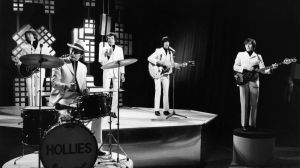
English rock and pop group The Hollies perform the song 'Sorry Suzanne' on the set of the BBC Television pop music television show Top Of The Pops at Lime Grove Studios in London on 27th March 1969. Members of the band are, from left, Tony Hicks, Bobby Elliott, Allan Clarke, Terry Sylvester and Bernie Calvert. (Photo by Ivan Keeman/Redferns) -
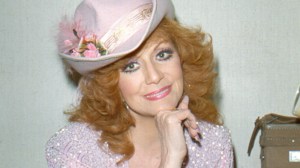
UNSPECIFIED – CIRCA 1970: Photo of Dottie West Photo by Michael Ochs Archives/Getty Images -
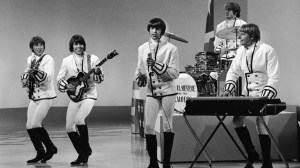
Paul Revere & The Raiders Perform American pop group Paul Revere & the Raiders perform in matching outfits, probably on a television studio set, mid 1960s. The band includes Mark Lindsay (third left) as the vocalist and Paul Revere (right) on keyboards. (Photo by Authenticated News/Getty Images) -
Thirty-nine years ago today, Randy Travis was at the top of the country chart with an award-winning hit inspired by a child learning to pray. -
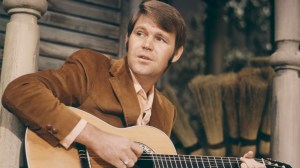
Glen Campbell playing guitar circa 1967. (Photo by Screen Archives/Getty Images)