
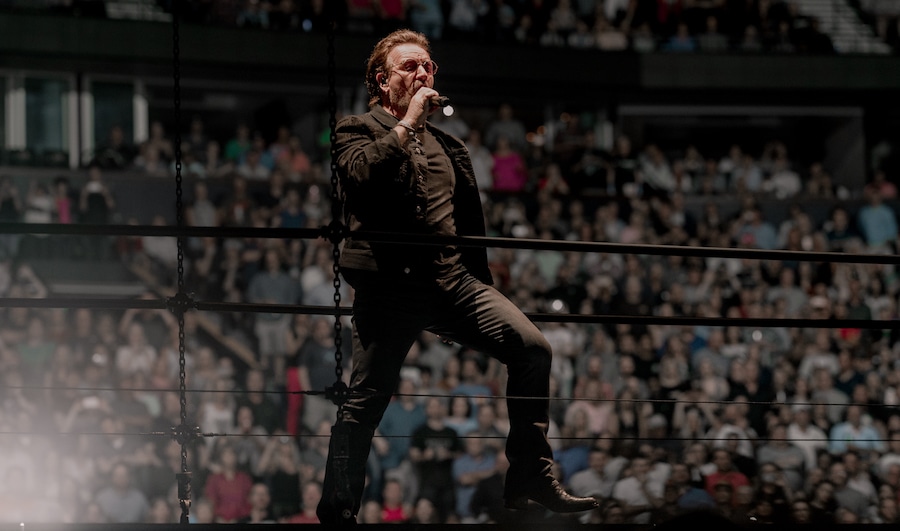
U2 has never been one for subtlety.
During a performance of “Staring At the Sun” at Bridgestone Arena on Saturday night, a song from its 1997 album Pop, images of the Unite the Right rally in Charlottesville flashed on the jumbo-screen. Young men in Polo shirts brandished Tiki torches and white nationalists with “Make America Great Again” hats waved Confederate flags as Bono crooned the lyrics “Afraid of what you’ll find/ If you take a look inside.”
It was a bit much, even by U2 standards, and an awkward moment for a crowd in party mode and buzzed on Michelob Ultra tallboys.
But U2 has never been afraid of overreaching. They are a caricature of rock star grandiosity, and they’ve always been in on the joke. “This is the moment in our story when it all went to our head, or went to my head,” Bono said at one point, before breaking into “Desire” from 1988’s Rattle and Hum.
Bono revels in pomp and circumstance (this is not a criticism), and U2’s concerts play by their own set of rules. Indeed, along with Springsteen, they are one of the only successful arena rock acts left. Few bands can occupy the stadium turf with such command, and have the catalog to sufficiently carry a two-and-a-half to three-hour show. And though there were moments when the delete button should have been hit in pre-production for this tour (Bono’s “mirror monologues” as his devilish alter-ego MacPhisto were downright cringe-worthy), it was still a riveting performance.
From a sheer production standpoint, the show was an absolute marvel. Two stages flanked opposite ends of the arena, connected by a catwalk that rose and fell throughout the concert. A jumbo widescreen hung suspended over the walkway, projecting all manner of visuals and animation, complimenting the actualities onstage to great effect.
The show was heavy on material from the last two albums, Songs Of Innocence and Songs Of Experience, the fruits of a band knowing what works and what it does well. Portions of Experience were written in the wake of Brexit and the Trump ascendancy, and much of the material amounts to a pep talk and rallying cry for the politically and spiritually broken-hearted. Flashing on the screen throughout the night were hashtag buzz phrases like “end internment,” “collusion is not an illusian [is the “a” intentional?]” (huh?), and “poverty is sexist.” The lyrics were less heavy-handed, thankfully.
The intertextual messaging of the concert touched upon other themes, such as Ireland’s struggle for independence, Bono’s childhood and the passing of his mother, and Martin Luther King’s civil rights crusade, which of course came with a performance of “Pride (In The Name of Love).
In Nashville or anywhere else, a U2 show is major public event, and with it comes an attendant celebrity presence. Oprah Winfrey was in the house (which Bono mentioned twice), as was Al Gore, who parted the crowd near the stage pre-show as he made his way to his seat with T Bone Burnett, who, strangely enough, looked more the statesman than Gore.
Surprisingly, the new material received the most inspired treatment of the night, while the old chestnuts (“Beautiful Day,” “Sunday Bloody Sunday” and “One”) came off as tired and uninspired. “American Soul” from Experience was a tight, muscular salvo and showcased a band in fine fettle. Bono’s voice is as strong as it’s been in 20 years, Larry Mullen Jr.’s drumming only gets more athletic as the years pass, and the guitar and bass combo of the Edge and Adam Clayton remains ironclad. Amid the visual spectacle and performative drama it is easy to lose sight of the truth that this set of musical relationships has always been the most remarkable aspect of a U2 performance — viewed up close and watching them work, it is astonishing that a four-on-the-floor outfit can wield such an imposing wall of iconic sound.
More Features
-
American country comedienne Minnie Pearl (1912 – 1996) performing, circa 1970. (Photo by Silver Screen Collection/Getty Images) -
NEW YORK – JUNE 11: Rock and roll band Steppenwolf (L-R Jerry Edmonton, John Kay and Michael Monarch) perform at Steve Paul's The Scene nightclub on June 11, 1968 in New York, New York. (Photo by Don Paulsen/Michael Ochs Archives/Getty Images) -
British musicians Mick Jagger (left) and Bill Wyman of the Rolling Stones performs on stage during the band's 'Steel Wheels' tour, late 1989. (Photo by Paul Natkin/Getty Images) -
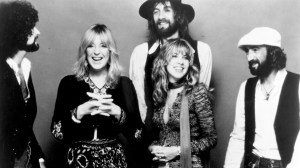
CIRCA 1977: (L-R) Lindsey Buckingham, Christine McVie, Mick Fleetwood, Stevie Nicks and John McVie of the rock group 'Fleetwood Mac' pose for a portrait in circa 1977. (Photo by Michael Ochs Archives/Getty Images) -
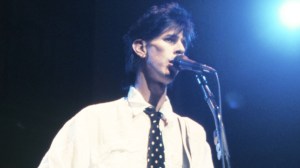
ATURDAY NIGHT LIVE — Episode 19 — Pictured: Singer Ric Ocasek of musical guest The Cars performs on May 12, 1984 — Photo by: NBC/NBCU Photo Bank -
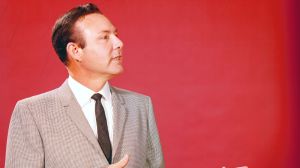
UNSPECIFIED – CIRCA 1970: Photo of Jim Reeves Photo by Michael Ochs Archives/Getty Images -
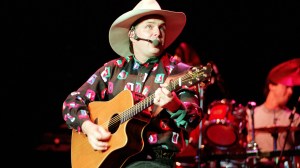
Garth Brooks performs at Shoreline Amphitheatre on June 21, 1991 in Mountain View, California. (Photo by Tim Mosenfelder/Getty Images) -
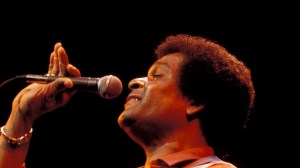
Charley Pride one of the biggest country music stars of the 1970s