
In the summer of 1992, exorbitantly high demand for Garth Brooks tickets led to a tragic lawsuit between Dr. Homer D. Hardy Jr. and the Southwestern Bell Telephone Company. The lawsuit might not have panned out in the plaintiff’s favor, but it served as a shocking testament to the ways in which ticket sale culture can affect an entire population, regardless of who is buying or selling.
Adding to the story’s intrigue and relevance was the fact that this lawsuit originated in Garth Brooks’ hometown of Tulsa, Oklahoma.
Videos by American Songwriter
How High Demand for Garth Brooks Tickets Led to a Trial
Before the age of social media and ticketing apps, promoters often sold concert tickets over the phone. Such was the case for a Garth Brooks show in his native Oklahoma, which resulted in thousands of fans flooding the telephone lines one fateful day in July 1992. The same day, Tulsa physician Dr. Homer Hardy Jr.’s wife, Phyllis Joan Love Hardy, suffered a heart attack.
Dr. Hardy tried to call 911 multiple times, but thousands of fans trying to snag Garth Brooks tickets had overrun the lines. After getting a busy signal for 20 minutes, he called the operator, who then contacted emergency responders. Tragically, Phyllis Hardy died in the hospital later that day on July 18, 1992. One month later, Dr. Hardy sued the Southwestern Bell Telephone Company for $35 million in damages.
In his lawsuit, Hardy claimed the telephone company “knew that allowing promoters to sell tickets to the Garth Brooks concert by use of the telephone would swamp the telephone system in Tulsa, leading to the failure of the 911 emergency system,” per The Oklahoman.
The Court Attempted to Depose The Country Star
Although Garth Brooks was neither the plaintiff nor the defendant in the case, he wasn’t exempt from facing time in court. Dr. Homer Hardy Jr.’s attorney, James Weger, subpoenaed the country superstar to give testimony in the federal trial. The attorney stated he wasn’t summoning Brooks to court “because he’s Garth Brooks. He’s being subpoenaed because he was in charge of the organization that held the concert” (via Tulsa World).
Weger requested that Brooks provide his law office with documents about his collaboration with the Southwestern Bell Telephone Company, including contracts and correspondence about ticket sales in Tulsa and Dallas. Unsurprisingly, Brooks’ attorney, J. Warren Jackman, filed a motion to appeal the deposition. A judge’s overruling of the appeal seemed to be a step in the plaintiff’s favor, but ultimately, the grieving widow lost his case.
In January 1996, the Oklahoma Supreme Court said Dr. Hardy failed to produce sufficient evidence to prove that the Southwestern Bell Telephone Company was negligently responsible for the death of Phyllis Hardy. “Plaintiff’s claim of causation is far too speculative and too remote to be sustained here,” the court documents stated.
Thus, the trial dissolved into country music history, becoming an unfortunate relic of early 1990s concert promotion and the ways in which celebrity and fandom can have far-reaching effects on the communities in which they live.
Photo by Mark Reinstein/Shutterstock
More Features
-
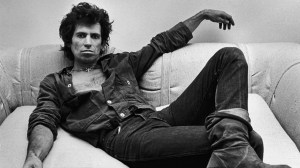
NEW YORK, NY – 1980: Guitarist Keith Richards of the Rolling Stones, lounges in his New York City, New York, office during a 1980 portrait session. (Photo by George Rose/Getty Images) -
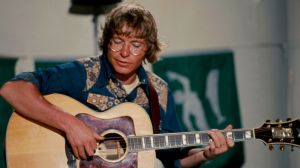
Yucatan Peninsula – 1975: John Denver performing on the Calypso crew, appearing on the ABC tv special 'An Evening with John Denver'. (Photo by American Broadcasting Companies via Getty Images) -
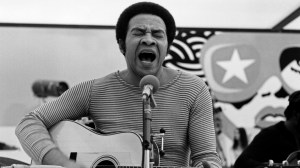
Der amerikanische Sänger und Songschreiber Bill Withers, Deutschland 1970er Jahre. (Photo by Schweigmann/United Archives via Getty Images) -
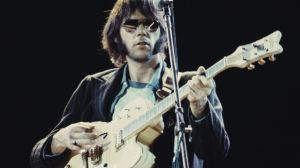
Canadian musician Neil Young of Crosby, Stills, Nash And Young performs on stage at Wembley Stadium, London on September 14th 1974. (Photo by Michael Putland/Getty Images) -
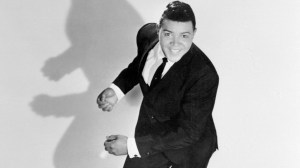
Chubby Checker Dancing -
Photo by Bettmann Archive/Getty Images -
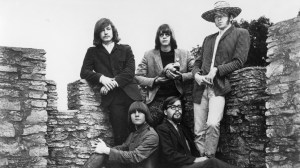
UNSPECIFIED – CIRCA 1970: Photo of Lemon Pipers Photo by Michael Ochs Archives/Getty Images -
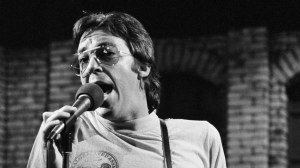
SATURDAY NIGHT LIVE — Episode 2 — Pictured: Musical guest Boz Scaggs performs on September 25, 1976 — Photo by: NBCU Photo Bank